External Attack Surface Management: Operational Guide


Unknown internet-facing assets turn routine security gaps into attacker-ready entry points. The fix is a repeatable exposure workflow, not another periodic inventory. Uni5 Xposure makes that workflow native.
External attack surface management is a continuous operating process for discovering, mapping, monitoring, and managing the internet-facing assets attackers can reach. Within Uni5 Xposure, EASM is a native capability that gives security and IT teams 360-degree asset exposure visibility instead of a separate list to reconcile. Teams can use that shared view to identify exposures and apply threat intelligence to focus on vulnerabilities under active attack. They can then validate likely impact with BAS and direct remediation. That sequence keeps discovery connected to action and reduces gaps between security functions. This approach turns the attacker's outside-in view, which continuous public-facing monitoring helps reveal, into a repeatable cycle tied to broader continuous threat exposure management.
The practical question is how to run that cycle without letting discovery become another noisy asset feed. External attack surface management as an operating discipline starts by defining ownership, cadence, and clear decision points for each exposure. Here is how.
External attack surface management as an operating discipline
External attack surface management (EASM) finds and tracks the internet-facing assets that attackers can see. NIST defines an attack surface as the boundary points where an attacker can enter, cause an effect, or extract data. EASM applies that outside-in view to assets and exposures that may otherwise stay unknown.
A continuous outside-in view
A one-time inventory answers what was visible at one point. It cannot show what appears after a cloud change, domain update, vendor rollout, or configuration error. The DHS Crossfeed guide describes EASM as a process that continuously monitors the public-facing attack surface and shows assets from an attacker's view.
That view matters because the external attack surface changes outside normal asset records. Security teams need a repeatable cycle to find assets, confirm ownership, assess exposure, and track fixes. They must also remove false positives and bring valid findings into existing workflows.
Clear operational outcomes
Continuous discovery is useful only when it leads to action. Teams need shared ownership, risk context, and a clear path from each finding to a verified fix. A practical EASM operating model should produce these outcomes:
- An up-to-date record of exposed assets and services.
- Confirmed owners for assets that need review or remediation.
- Prioritized findings based on exposure, threat intelligence, and business context.
- Tickets with enough evidence for IT and security teams to act.
- Checks that confirm whether remediation removed the exposure.
These outcomes turn discovery into a managed security process. Threat intelligence helps teams focus on vulnerabilities that attackers are actively targeting or exploiting. Breach and Attack Simulation can then test whether an exposure creates a usable attack path, which helps reduce vulnerability noise.
EASM within exposure management
EASM should connect with broader exposure management rather than run as a separate scanner. Teams can do this by integrating EASM into their CTEM strategy, so discovery feeds prioritization, validation, remediation, and reassessment. This link helps security leaders track risk reduction instead of counting raw findings.
The operating discipline also needs a steady cadence. Teams should review new assets and high-risk changes often, route findings to accountable owners, and verify closed issues. Clear measures can track asset ownership, remediation progress, recurring exposures, and the time needed to confirm a fix.
How do you operationalize EASM?

Operationalizing external attack surface management means turning asset discovery into a repeatable security and IT workflow. The process needs clear scope, named owners, risk-based priorities, and a closed path from finding to fix. It must also account for change, since public-facing assets and services rarely stay still.
A sequenced EASM workflow
Start with an agreed operating model rather than a one-time scan. The DHS Crossfeed product guide describes continuous monitoring from an attacker's view. It also combines public data with custom enumeration and service indexing, which shows why discovery should use several signals.
Set the scope. List approved domains, IP ranges, cloud accounts, subsidiaries, and key brands. Define exclusions, scan limits, data rules, and the teams that can approve changes.
Discover and map assets. Find public hosts, services, certificates, applications, and related infrastructure. Record how each asset connects to the known scope, then flag uncertain relationships for review.
Confirm ownership. Route each discovered asset to a business owner and a technical owner. Security should set a deadline for confirming unknown assets and define an escalation path for orphaned systems.
Enrich and prioritize. Add exposure details, known weaknesses, business context, and threat intelligence. Rank work by likely attack paths and active exploitation, not by severity scores alone.
Validate the risk. Check whether the exposure is reachable and whether controls reduce its impact. Use safe breach and attack simulation where suitable to test likely attack paths before assigning urgent work.
Remediate through existing queues. Send clear tickets to IT, cloud, or application teams. Each ticket should name the asset, owner, evidence, required fix, due date, and a rollback plan when needed.
Verify and monitor. Rescan after the fix, keep evidence of closure, and reopen failed items. Continue discovery so new assets, changed services, and recurring exposures enter the same workflow.
Ownership and handoffs
A useful workflow makes responsibility visible at every step. Security owns discovery rules, risk logic, validation, and escalation. IT and engineering own asset confirmation and fixes, while business owners help set priority when an exposure affects a critical service.
Connect EASM findings to the tools teams already use, such as a CMDB and ticket queue. A shared operating view can help teams operationalize EASM within Uni5 Xposure. This avoids a separate process that people must remember to check.
Controls that keep the cycle moving
Set service targets for ownership checks, urgent fixes, routine fixes, and post-fix validation. Review exceptions on a fixed cadence, and require an owner, reason, expiry date, and compensating control for each accepted risk.
Track metrics that reveal flow problems, not just the total number of findings. Useful measures include unknown asset age, time to owner, time to fix, validation failure rate, and repeat exposure rate. These measures also support integrating EASM into your CTEM strategy across broader exposure work.
Build an attacker-view inventory with business context
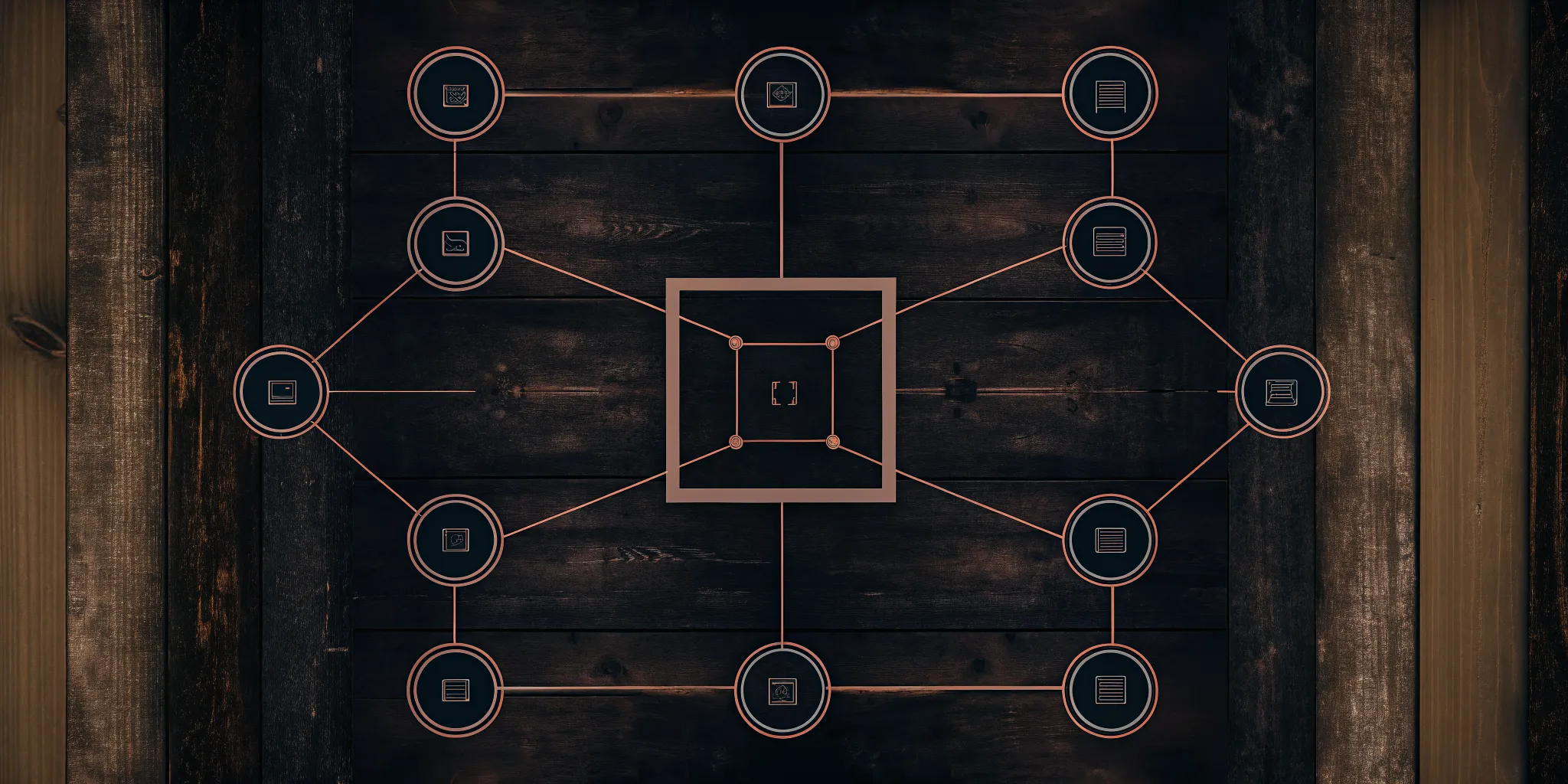
Start from the outside
An attacker-view inventory begins with what anyone on the internet can find, not what appears in an internal asset register. The NIST definition of attack surface covers every boundary point where an attacker could enter, cause an effect, or extract data.
Begin discovery with known domains and public IP ranges, then follow the links between them. Look for subdomains, cloud services, exposed applications, remote access portals, APIs, and open services. Include assets tied to subsidiaries, recent acquisitions, and third parties when they connect to the organization or carry its data.
Find assets that records miss
Internal records often show what teams know they own. External attack surface management must also find shadow IT, abandoned systems, test environments, and services created outside standard buying processes. These assets still create exposure even when no current owner recognizes them.
Use both public data and active checks to widen discovery. The US Department of Homeland Security describes a tool that combines public sources with custom enumeration and indexes accessible services. Run discovery continuously because cloud resources, DNS records, and vendor connections can change without notice.
- Seed discovery with domains, IP ranges, cloud accounts, subsidiaries, and known vendors.
- Expand from certificates, DNS links, service banners, and other public relationships.
- Confirm whether each finding is active, reachable, and connected to the business.
Add ownership and business meaning
A flat asset list creates another review queue. Enrich each finding with an owner, business unit, service purpose, data type, internet reachability, and source of discovery. Mark whether the asset supports a critical process or belongs to a third party.
Ownership must be usable, not assumed. Route unknown assets to the team most likely to confirm them, and record each decision. Keep evidence for rejected findings so the same asset does not return as an unresolved item after every scan.
Business context helps teams decide where to investigate first. An exposed service that supports a key process needs faster review than an unused test host. Teams can operationalize EASM within Uni5 Xposure by joining asset visibility with threat intelligence, validation, and remediation work.
Use threat intelligence to prioritize exploitable exposure
External attack surface management should produce a ranked work queue, not another long list of findings. Threat intelligence sharpens that queue by showing which flaws attackers target and exploit. Teams can then focus on exposures that create a credible path into important systems. This turns remediation from a severity exercise into a risk-based operating process.
Severity is one signal
A critical severity score describes the technical impact of a flaw under set conditions. It does not show whether attackers are using the flaw against exposed systems. Treat severity as one signal, then enrich each finding with current threat intelligence and exposure context.
Start with a precise scope: NIST defines an attack surface as boundary points where an attacker can enter, cause an effect, or extract data. Then rank each exposed weakness by evidence of active attacks, public exploit use, and the asset's role. The Uni5 Xposure platform supports this model through unified asset exposure visibility and threat-informed prioritization.
Exploitability in business context
Threat intelligence becomes useful when teams connect it to reachability and asset criticality. An actively exploited flaw on an isolated test asset may rank below a reachable flaw on a key service. The decision should reflect the most credible attack path and its likely business effect.
- Confirm whether the asset is reachable from the internet or through another exposed service.
- Check whether threat intelligence shows active attacks or reliable evidence of exploitation.
- Assess whether compromise could affect sensitive data, key services, or connected systems.
- Assign an owner, response target, and clear reason for the priority.
Documenting these inputs makes the queue easier to review across security and IT operations. It also helps teams explain why a lower-severity exposure may need action before a higher-scored finding.
Validation and response order
Breach and Attack Simulation (BAS) adds evidence to the prioritization process. Rather than assuming an exposed weakness creates a usable path, teams can safely test relevant attack actions. Use those results to confirm control gaps, refine priority, and direct remediation effort.
Feed verified findings into a broader CTEM strategy so owners can track fixes, retest controls, and adjust the queue as conditions change. Review priorities when new assets appear, threat intelligence changes, or a control fails validation. This cadence keeps response work tied to current exposure instead of a static scan result.
EASM vs. vulnerability management, CSPM, and CTEM
External attack surface management, vulnerability management, CSPM, and CTEM solve related but different parts of exposure risk. Treating them as substitutes creates blind spots and weakens remediation decisions. The DHS Crossfeed guide describes continuous monitoring of public-facing assets from an attacker's perspective.
Where each practice fits
The key difference is scope. Each practice starts with a distinct view of assets and risk, then supplies evidence that makes the other practices stronger. Clear ownership also matters. It keeps teams from assuming that one scanner or dashboard covers every type of exposure.
| Practice | Primary scope | Core question | How it complements the others |
|---|---|---|---|
| EASM | Internet-facing assets and exposures | What can an attacker find from outside? | Finds unknown assets and adds an outside-in view. |
| Vulnerability management | Known assets and detected flaws | Which known weaknesses need action? | Assesses and tracks flaws across the asset inventory. |
| CSPM | Cloud settings, controls, and workloads | Which cloud configurations create risk? | Adds cloud context and helps correct unsafe settings. |
| CTEM | Business-relevant exposure across environments | Which exposures matter most, and how should teams act? | Unifies discovery, prioritization, validation, and remediation. |
From discovery to a CTEM program
Vulnerability management often begins with assets and scanners already known to the organization. EASM looks outside-in, so it can reveal forgotten domains, exposed services, and other assets that internal inventories miss. CSPM adds cloud-specific context when unsafe settings or workloads contribute to exposure.
CTEM turns these inputs into an ongoing process tied to business risk. The program scopes key assets, discovers exposures, ranks them, validates likely attack paths, and guides remediation. Teams can use this model when integrating EASM into a CTEM strategy.
The handoff should preserve asset ownership, business use, exposure evidence, and the recommended next action. Without that context, a new discovery can become another alert that no team owns.
Better priorities through validation
EASM feeds CTEM with a current map of what attackers can reach. Threat intelligence then helps teams focus on vulnerabilities that are actively attacked or exploited. This shifts the goal from fixing every finding to reducing the exposures most likely to cause harm.
Breach and Attack Simulation adds proof by testing whether a suspected path can work. That evidence helps vulnerability teams confirm urgency and check whether a fix reduced risk. A unified Uni5 Xposure platform connects the outside-in EASM view with CTEM decisions and remediation work.
Validate EASM findings with breach and attack simulation
External attack surface management finds exposed assets and weak points from an attacker's view. BAS adds a controlled test of whether a chosen exposure can support an attack path. This step turns a scan result into evidence that security and IT teams can use.
Safe validation of likely attack paths
Start with the EASM findings that pose the clearest risk to important systems. Threat intelligence can focus this list on flaws and techniques that attackers are using. Then define a narrow BAS test with an approved scope, owner, time window, and stop conditions.
The test should mimic selected attacker actions without causing harm or moving beyond its approved boundary. This approach matters because the attack surface includes points where an attacker may enter, cause an effect, or extract data. Record each test action so teams can separate BAS traffic from a real incident.
- Confirm the target asset, business owner, and test boundary.
- Choose a technique tied to the prioritized exposure.
- Set limits that protect production systems and sensitive data.
- Check whether preventive and detective controls respond as expected.
Proof that guides remediation
A useful BAS result shows more than whether a weakness exists. It shows whether the weakness can support a meaningful attack step. It also shows which controls blocked, detected, or missed the test.
Give remediation teams a short evidence pack with the asset, exposure, test path, control response, and recommended fix. This proof helps teams address validated attack paths before lower-risk findings. It also connects EASM discovery to vulnerability management and integrating EASM into your CTEM strategy.
Do not treat an unsuccessful simulation as proof that an asset is safe. Review the test scope, access level, and control logs first. A narrow test may miss another valid path, while a blocked test may confirm that a control works.
Re-testing after the fix
After remediation, run the same approved BAS scenario again. Use the prior steps and success conditions so the comparison stays clear. Confirm that the attack step now fails and that expected alerts still reach the right team.
Keep the result with the original EASM finding, fix record, and control evidence. This creates a clear trail from discovery through validation and closure. Teams can operationalize EASM within Uni5 Xposure by bringing visibility, priority, validation, and remediation into one repeatable workflow.
Which metrics show that an EASM program is working?
A working external attack surface management program makes exposure easier to see, own, and reduce. Measure trends across several linked metrics instead of relying on one headline count. The goal is steady operational improvement, not a perfect-looking dashboard.
Visibility and ownership
Start with a trusted baseline of public-facing assets and exposures. The DHS description of continuous attack surface monitoring shows why this view must stay current. A falling unknown-asset count suggests that discovery and attribution are improving.
Track ownership coverage alongside discovery. This metric shows the share of known assets assigned to accountable business or technical owners. Also monitor exposed critical assets by type, business role, and severity. A small raw asset count can still hide serious risk when critical systems remain exposed.
- Unknown asset reduction: Change in discovered assets that lack an approved record or owner.
- Ownership coverage: Share of external assets with a confirmed, accountable owner.
- Exposed critical assets: Critical systems with reachable weaknesses or unsafe services.
Assignment and remediation flow
Next, measure how quickly findings enter the right workflow. Mean time to assign starts when EASM confirms an exposure and ends when an owner accepts it. Mean time to remediate then tracks the path from acceptance to a verified fix.
Break both measures down by severity, asset group, and owner. This prevents quick, low-risk fixes from hiding delays on urgent exposures. Reviewing these measures while integrating EASM into your CTEM strategy can expose handoff gaps between security and IT teams.
- Mean time to assign: Average time before a confirmed finding reaches an accountable owner.
- Mean time to remediate: Average time from owner acceptance to a verified fix.
- Recurrence rate: Share of closed exposures that return on the same asset or through the same root cause.
Exposure quality and validation
Closure is meaningful only when teams verify the outcome. Track validation closure, the share of remediation claims confirmed by rescanning or another approved test. A growing ticket-closure count can mislead if exposures stay reachable from the internet.
Use recurrence and failed validation to find weak fixes, policy gaps, and repeat deployment errors. Threat intelligence can focus reviews on weaknesses that attackers actively exploit. Breach and Attack Simulation can test whether key controls stop realistic attack paths, adding proof beyond a closed ticket.
Review this scorecard on a set schedule, then assign actions for stalled or worsening trends. The Uni5 Xposure platform can support a shared view of assets, exposure, and remediation work. Keep the same metric definitions over time so teams can compare results and improve the process.
Operationalize EASM within Uni5 Xposure
External attack surface management works best as an ongoing part of threat exposure management, not as a separate asset list. EASM is native to Uni5 Xposure, so teams can connect external exposure work to a broader CTEM program.
Build a clear view of external exposure
Start by setting the scope for the domains, services, and other internet-facing assets your team must track. The goal is to map, monitor, and manage the external-facing attack surface as it changes.
This work needs a continuous view because public exposure does not stay fixed. A DHS product guide describes EASM as continuous monitoring of an organization's public-facing attack surface.
Uni5 Xposure brings EASM into the same platform used for continuous threat exposure management. Its 360-degree asset exposure visibility gives teams a shared view for reviewing what is exposed. Teams can then operationalize EASM within Uni5 Xposure instead of treating it as an isolated security task.
Turn visibility into focused action
A broad asset view is useful only when it leads to clear action. Security teams should review exposed assets, confirm ownership, and decide which findings need attention first.
- Map external-facing assets and group them by owner or business service.
- Monitor the mapped surface for changes that may create new exposure.
- Use threat intelligence to focus on vulnerabilities that attackers actively target or exploit.
- Use Breach and Attack Simulation to test whether key exposures create practical risk.
- Send confirmed priorities into remediation work and track their status.
This flow connects discovery with risk decisions. Threat intelligence helps narrow the work, while BAS adds evidence that supports vulnerability management. Together, these inputs help teams focus limited time on the exposures that need a response.
Keep EASM inside the CTEM cycle
EASM should feed each new CTEM cycle rather than end after one review. Set a regular check for surface changes, asset ownership, threat context, validation results, and remediation progress.
Security and IT teams also need a shared operating rhythm. Assign owners, define review points, and record why each exposure was accepted, fixed, or sent for more testing. This approach supports integrating EASM into your CTEM strategy without creating a second process.
The result is a repeatable way to manage external exposure. Teams maintain broad visibility, apply current threat context, validate meaningful risk, and keep remediation tied to the changing attack surface.
External attack surface management FAQs
What is external attack surface management?
External attack surface management is the continuous discovery, monitoring, and prioritization of internet-facing assets and exposures from an attacker's perspective. It helps teams find unknown assets, establish ownership, and reduce exploitable risk before adversaries can act.
How is EASM different from vulnerability management?
Vulnerability management typically assesses known assets for weaknesses. EASM first discovers assets and exposures that may sit outside the known inventory, then adds attacker-view and business context. Together, they help teams find more of the environment and focus remediation on the exposures that matter most.
How is CSPM different from EASM?
Cloud security posture management focuses on configuration and compliance risk inside connected cloud environments. EASM examines what is visible and reachable from the public internet, including cloud assets, domains, IP addresses, exposed services, and shadow IT.
How often should EASM discovery run?
EASM should operate continuously because internet-facing infrastructure changes continuously. New cloud services, acquisitions, third-party connections, certificates, and temporary environments can create exposures between periodic assessments.
Turn external visibility into measurable risk reduction
External attack surface management creates value when discovery, prioritization, validation, and remediation operate as one continuous workflow. Hive Pro's Uni5 Xposure platform brings native EASM into continuous threat exposure management, helping teams move from a growing list of findings to focused action.
Explore Uni5 Xposure and request a demo to see how your team can map, monitor, and manage external exposure.







.svg)